
Paint, Powder Coating & Adhesive Removal
Laser Cleaning of Paint, Powder Coating & Adhesive Removal
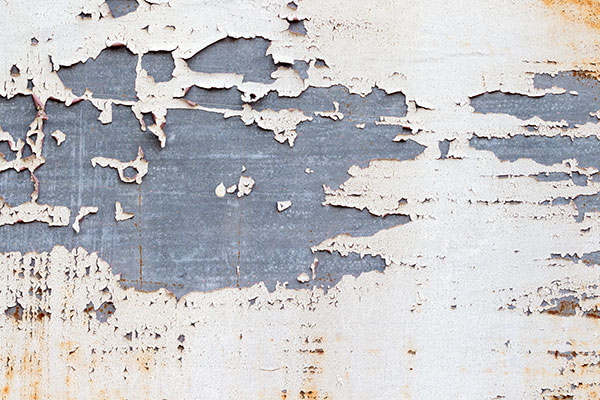 Laser cleaning has emerged as an advanced, non-contact surface preparation and coating removal technology used across manufacturing, aerospace, automotive, energy, and tooling industries. By precisely controlling laser energy, coatings such as paint, powder coating, and adhesive residues can be selectively removed without damaging the underlying substrate. This article explains the fundamental principles of laser cleaning, compares its effectiveness across different coating types, and outlines key process considerations, advantages, and limitations.
Traditional coating removal methods—such as chemical stripping, abrasive blasting, and mechanical scraping—often generate secondary waste, require extensive masking, or risk altering the base material. Laser cleaning offers a controlled alternative that uses concentrated light energy to ablate or delaminate surface contaminants while preserving substrate integrity. Laser cleaning systems are typically classified as continuous-wave (CW) or pulsed lasers, operating most commonly in the near-infrared spectrum. Selection of laser type, power level, and process parameters depends on coating composition, thickness, adhesion strength, and substrate sensitivity.
Laser cleaning relies on the interaction between laser radiation and surface contaminants. When laser energy is absorbed by the coating, rapid localized heating occurs, leading to one or more of the following mechanisms:
- Thermal ablation: Coating material vaporizes or decomposes due to rapid temperature rise.
- Photomechanical delamination: Thermal expansion mismatch between coating and substrate causes the coating to fracture and detach.
- Photochemical breakdown: High-energy photons break molecular bonds, particularly in organic coatings and adhesives.
The substrate is preserved by machine adjustments so that the coating absorbs the majority of the energy while the base material reflects or dissipates it.
Paint systems—typically composed of pigments, binders, and solvents—absorb laser energy efficiently, making them well suited for laser removal. They are particular effective on single- and multi-layer paint systems. Removal rates depend on paint thickness and laser power. The surface substrate roughness is not affected with proper laser cleaning machine settings.
Applications include paint removal for repair or rework, paint stripping on aluminum and steel components and aerospace maintenance and corrosion inspection. Laser cleaning uniquely enables selective stripping, allowing operators to remove paint from targeted areas without masking adjacent surfaces.
Powder coatings are generally thicker and more thermally stable than liquid paints, requiring higher energy input. Powder coating removal typically requires higher average power (typically 2000 to 3000 watts) and the use of a continuous wave machine for high-throughput applications. The removal of these materials typically leaves dry particulate waste that can be captured via filtration.
Applications include: fixture and hanger cleaning of coating lines, rework of coated parts without abrasive damage and removal of cured epoxy or polyester powder coatings. Laser cleaning avoids the mechanical erosion commonly associated with grit blasting, extending the service life of fixtures and tooling.
The removal of adhesives and sealants such as epoxies, polyurethanes, silicones, and pressure-sensitive adhesives—present unique challenges due to elasticity and strong substrate bonding. Typically pulsed lasers provide greater control for thin adhesive layers, but often the larger wattage continuous wave lasers are used to separate with more power thicker adhesives from their substrate.
Applications include the removal of bonding adhesives from metal tooling, cleaning of molds, dies, and fixtures and surface preparation prior to re-bonding. Laser cleaning enables adhesive removal without solvents, reducing health and environmental concerns.
The advantages of laser cleaning include:
- Non-contact and non-abrasive process
- Minimal secondary waste (no chemicals or blasting media)
- High precision and repeatability
- Reduced downtime through in-situ or inline cleaning
- Environmentally friendly and operator-safe when properly enclosed
- Significant savings of compressed air costs and abrasives typical of abrasive blasting
While laser cleaning offers significant benefits, certain limitations must be considered. The upfront capital cost compared to conventional methods may be higher. Removal rates may be slower for very thick or highly reflective coatings; may requires fume extraction for vaporized materials and the process optimization is important to avoid substrate discoloration or thermal effects. A feasibility assessment and sample testing are recommended prior to implementation.
Laser cleaning is a versatile and highly controllable technology for the removal of paint, powder coating, and adhesives. Its ability to selectively remove coatings while preserving substrate integrity makes it an attractive solution for high-value components and environmentally conscious operations. As laser power scalability and automation continue to advance, laser cleaning is increasingly positioned as a mainstream alternative to chemical and abrasive removal processes.