
In recent years, industrial processes have been revolutionized by the advent of laser technology. Among its many applications, laser cleaning has emerged as a powerful and versatile method for removing contaminants, coatings, and residues from various surfaces.
How Industrial Laser Cleaning Works
Laser cleaning utilizes high-intensity laser beams to ablate or vaporize unwanted materials from surfaces. Unlike traditional methods such as chemical cleaning or abrasive blasting, laser cleaning is non-contact and non-abrasive, making it ideal for delicate surfaces or complex geometries. The process involves focusing laser energy onto the target surface, causing rapid heating and vaporization of the contaminants, leaving behind a clean surface.
Benefits of Laser Cleaning Compared to Other Cleaning Methods
There are several benefits of using laser cleaning technology when compared to blasting, chemical cleaning, and other cleaning methods. The modern laser cleaning machines remove surface impurities with unprecedented consistency. The laser process also does not impart foreign materials to the part being cleaned, preventing potential damage.
Advantages of Laser Cleaning:
- Non-abrasive and non-contact method: Protects delicate surfaces and intricate geometries.
- Environmentally friendly: Eliminates the need for chemicals and reduces waste generation.
- Precision and consistency: Ensures uniform cleaning with minimal operator intervention.
- Cost-effective: Reduces labor costs and downtime associated with traditional cleaning methods.
- Safety: Minimizes exposure to hazardous materials and reduces the risk of accidents.
Top 6 Applications for Laser Cleaning
Industrial laser cleaning has emerged as a valuable tool for various applications, offering efficient and environmentally friendly solutions for surface preparation and restoration.
1. Automotive Industry
Paint Stripping: Laser cleaning is used for removing paint, rust, and coatings from car bodies, engine components, and other automotive parts. It ensures precision and consistency while minimizing damage to the underlying substrate.
2. Aerospace and Aviation
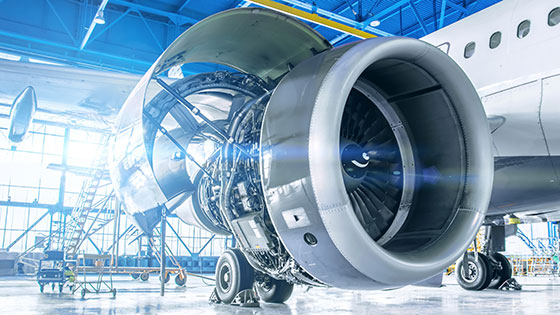
Composite Cleaning: Aircraft components made of composite materials often require cleaning before bonding or painting. Laser cleaning provides a gentle yet effective solution for removing contaminants without damaging the composite structure.
Turbine Maintenance: In aviation, gas turbine components accumulate coatings and residues during operation, affecting performance. Laser cleaning offers a precise method for removing deposits from turbine blades and engine parts, improving efficiency, and extending component lifespan.
3. Industrial Surface Preparation
Oxide Removal: Lasers remove many types of oxides from metallic surfaces. Laser oxide or rust removal is widely used to prepare surfaces for welding, coatings, or adhesives. For coatings and adhesives surface preparation, lasers are ideal, as they simultaneously remove oxides and texture the surface at the same time. This texturing is often referred to as ablation.
Lasers are also effective in replacing sand blasting or shot blasting operations. In many cases laser cleaning allows for faster production, more controlled cleaning, and decreased maintenance costs.
4. Electronics Manufacturing
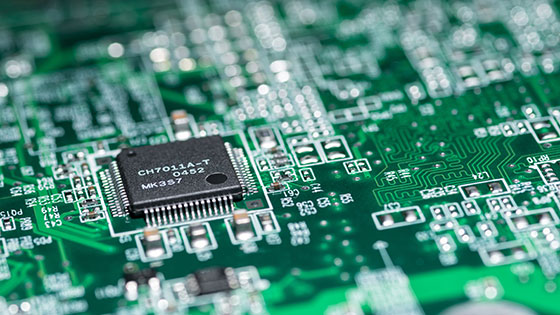
PCB Cleaning: Printed circuit boards (PCBs) must be free from solder residues and contaminants to ensure reliable electronic connections. Laser cleaning offers a non-destructive method for removing residues without causing damage to sensitive electronic components.
Semiconductor Processing: Laser cleaning is utilized in semiconductor fabrication for removing organic residues, oxides, and particles from silicon wafers and other semiconductor surfaces, ensuring high yields and quality in chip production.
5. Bio Medical Applications
Surface Preparation: Laser created surface structures are used to increase wettability. The wettability is a physical parameter that is correlated with cell adhesion within sterilization processes. In other applications the surface textures created by a lasered surface induces a beneficial effect for biocompatibility of materials.
6. Cultural Heritage Conservation
Restoration of Artifacts: Laser cleaning is used in conserving cultural artifacts, historical monuments, and artworks. It enables precise removal of dirt, soot, and pollutants from delicate surfaces without causing mechanical damage or altering the original material.

From automotive manufacturing to electronics production and cultural heritage conservation, the applications for laser cleaning continue to expand, driven by its numerous advantages over traditional cleaning methods. As technology advances, we can expect further innovations in laser cleaning systems, enhancing productivity, sustainability, and quality in industrial applications.
Laser Solutions Midwest is an authorized distributor of Bescutter and Laser Photonics products for the state of Ohio and bordering areas. We offer High Quality Laser Products and Advanced Laser Cleaning Services and are available to answer any questions you may have regarding this new technology.